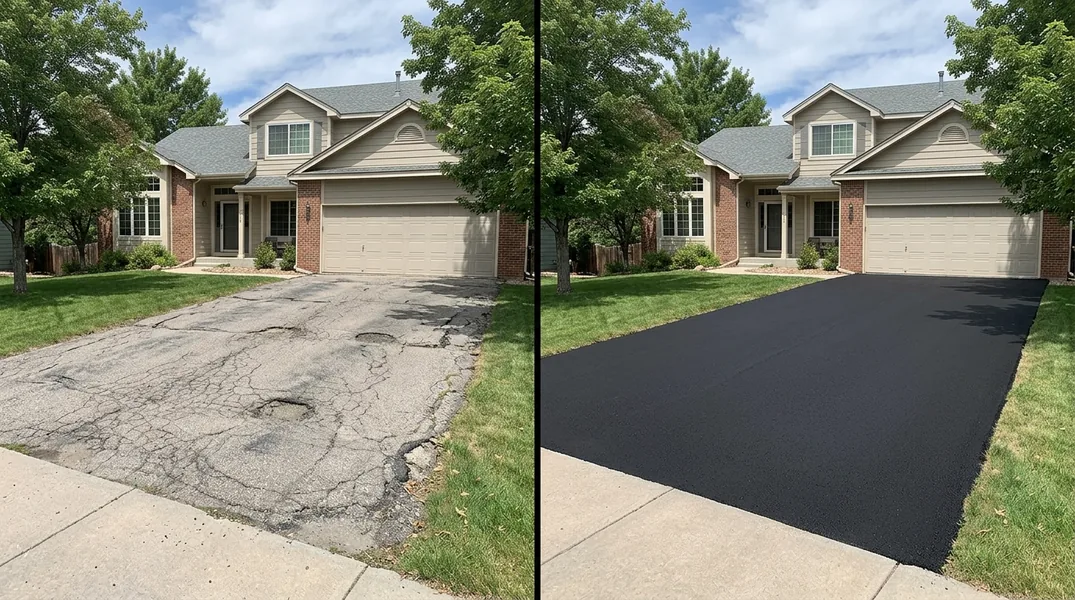
Understanding Denver's Unique Soil Challenge
If you own a home in Denver, you've likely noticed a frustrating pattern: your driveway seems fine in winter, but by spring, cracks and potholes appear as if overnight. This isn't a coincidence or a sign of poor installation. The culprit is Denver's expansive clay soil, a geological reality that affects thousands of homeowners across the region.
Expansive clay is a type of soil that swells dramatically when it absorbs moisture and shrinks when it dries out. This constant expansion and contraction cycle creates tremendous pressure beneath your asphalt, pushing it upward and sideways. During Denver's wet spring months, when snowmelt and spring rains saturate the ground, the clay expands significantly. As summer arrives and the soil dries out again, it contracts, leaving voids and weak spots under your driveway. This repeated stress cycle is far more damaging than simple wear and tear, and it's why many Denver homeowners find themselves dealing with unexpected damage every year.
Frost Heave: The Winter and Spring Destroyer
Frost heave is another critical factor that makes spring driveway damage inevitable in Denver. When temperatures drop below freezing, water in the soil freezes and expands, pushing the ground upward. This is especially problematic in areas with poor drainage or where moisture gets trapped beneath your asphalt. As the ground thaws in spring, the soil settles unevenly, creating depressions, cracks, and the foundation for pothole formation.
The combination of expansive clay and frost heave is particularly destructive. While the clay is expanding due to moisture, the frost heave effect is simultaneously lifting and settling the ground at different rates across your driveway. This uneven movement causes sections of asphalt to crack, buckle, and separate. Many homeowners don't realize that frost heave damage begins forming in winter but becomes most visible in spring when the thawing process accelerates. If you've noticed your driveway has developed new cracks or a wavy appearance after winter, frost heave is likely the cause. This is why Driveway Repair becomes urgent as soon as temperatures warm up.
Spring Potholes and Crack Formation
Potholes don't simply appear; they develop through a predictable process that accelerates in spring. When cracks form in your asphalt due to frost heave and soil expansion, water seeps into the layers beneath the surface. This water weakens the base and subbase materials that support your driveway. As vehicles drive over these weakened areas, the asphalt breaks apart and pieces are displaced, creating the characteristic pothole. Spring is prime pothole season in Denver because the ground is saturated with water from snowmelt, and the freeze-thaw cycle continues intermittently through April and May.
The damage process is cumulative. A small crack left unrepaired in March can become a significant pothole by May. This is why prompt action is essential. Pothole Repair & Asphalt Patching services are critical for preventing further deterioration. When you address potholes and cracks early in the season, you stop the water infiltration that causes exponential damage. Ignoring spring damage means spending significantly more money later when the damage has spread beneath the surface and compromised the structural integrity of your entire driveway.
Repair or Replace Asphalt Driveway: Making the Right Decision
One of the most common questions homeowners ask is whether they should repair their driveway or invest in replacement. The answer depends on several factors, including the extent of damage, the age of your driveway, and your budget. If your driveway is relatively young (under 10 years old) and the damage is limited to a few cracks and potholes, targeted repairs are usually the best choice. However, if you're dealing with widespread cracking, multiple large potholes, extensive surface deterioration, or a driveway that's 15 to 20 years old, replacement may be more cost-effective in the long run.
When deciding whether to repair or replace your asphalt driveway, consider that repairs are temporary solutions. In Denver's climate, with its expansive clay soil and harsh freeze-thaw cycles, even well-executed repairs will eventually need to be repeated. A new driveway, properly installed with attention to drainage and subbase preparation, can last 15 to 20 years or more. If you're making multiple repair trips each season, replacement becomes the smarter investment. The best approach is to get a professional assessment from Denver Asphalt Paving. Call (720) 674-7204 to discuss your specific situation and receive honest guidance on whether repairs or replacement makes sense for your home.
Prevention Strategies for Denver Homeowners
While you can't change Denver's geology, you can take steps to minimize spring driveway damage. The most important prevention strategy is proper drainage. Water that pools on or around your driveway accelerates both expansive clay problems and frost heave damage. Ensure that your driveway slopes slightly away from your home and that gutters direct water away from the foundation and driveway perimeter. If you have standing water or areas where water pools, addressing this before spring arrives can significantly reduce damage.
Regular maintenance is equally important. Seal coating your driveway every two to three years creates a protective barrier that prevents water infiltration. This single step can extend the life of your driveway by years, especially in Denver's challenging climate. Additionally, address cracks and small damage immediately rather than waiting for spring to worsen them. Small repairs made in fall or early winter prevent the freeze-thaw cycle from enlarging damage over the winter months. If you're unsure whether your driveway needs preventive treatment, Denver Asphalt Paving offers free estimates to assess your driveway's condition and recommend the best maintenance approach for your situation.
When to Call a Professional Near Me
Recognizing when to call a professional is crucial for Denver homeowners. If you notice new cracks appearing in spring, visible potholes, or sections of your driveway that are heaving or buckling, these are signs that professional assessment is needed. Attempting DIY repairs on significant damage often leads to temporary fixes that fail quickly, especially in Denver's climate. Professional contractors understand how expansive clay and frost heave affect driveways in this region and can recommend solutions tailored to local conditions.
Denver Asphalt Paving has years of experience dealing with spring driveway damage caused by Colorado's unique soil and climate conditions. Whether you need Pothole Repair & Asphalt Patching, comprehensive driveway restoration, or a complete replacement, our team can provide expert guidance. Don't wait until minor spring damage becomes a major problem. Contact Denver Asphalt Paving today at (720) 674-7204 or request a free estimate to discuss your driveway's needs. We serve Denver and surrounding areas, and we're committed to helping homeowners protect their investment with solutions designed for Colorado's challenging conditions.
Looking for a professional asphalt paving contractor in Denver? Denver Asphalt Paving responds fast for all your asphalt paving needs.
Get a Free Quote